
Detention and Demurrage Management: A Practical Guide for NVOCCs
BlueLogis Consulting ·
Clear event data, agreed free-time rules and timely follow-up reduce avoidable charges and disputes.
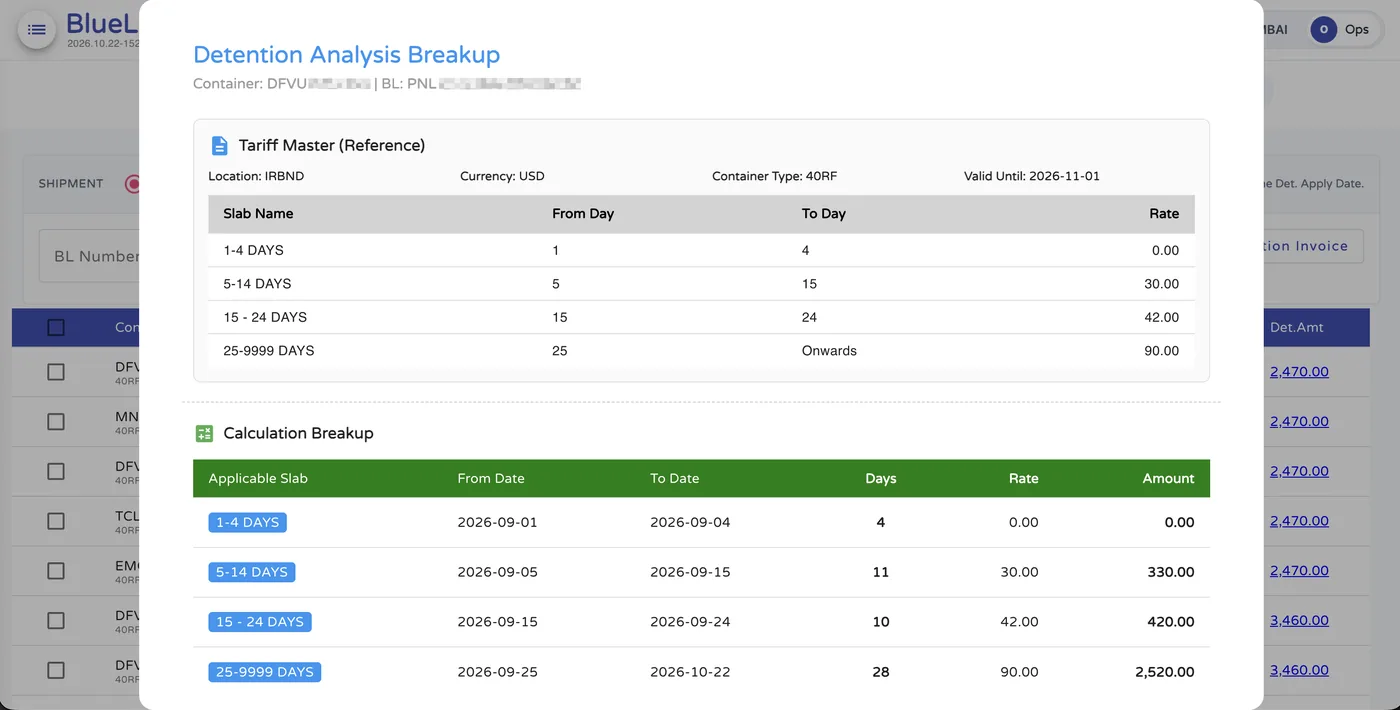
Detention and demurrage are often treated as a billing problem only after free time has expired. In practice, they are operational controls. The precise terms vary by contract, port, terminal and carrier, but the practical question stays the same: where is the container, what free time applies and what action is needed before a charge begins?
Keep the commercial rule with the movement record
At booking or contract stage, capture the free-time entitlement, tariff basis, container type, relevant locations and any approved exception. If a shipment has special terms, record who approved them and when they apply.
Track the events that affect the clock
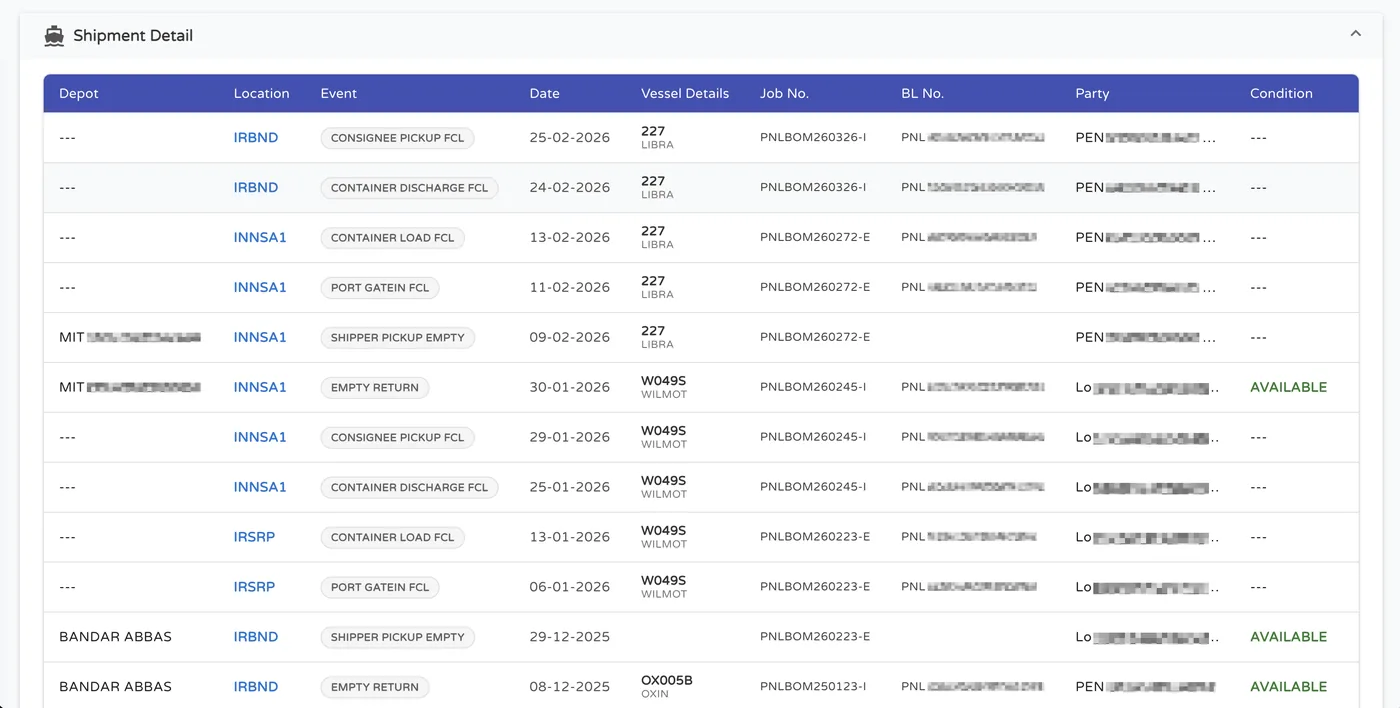
Depending on the agreement, the timeline may include empty release, gate-out, loading, departure, discharge, availability, delivery, empty return and repair or hold events. Record the source of each event. Missing events should create a follow-up task, not an assumed date.
Alert before free time expires
Use an agreed threshold and route alerts to the person who can act. A useful alert identifies the container, location, customer or agent, relevant event, free-time end date and next action. Record whether extensions are requested, approved or rejected.
Separate exposure from final billing
Projected exposure is a management signal, not a final invoice. Final billing should use verified events, approved terms, applicable tariff and documented waivers. Retain the calculation: start date, end date, free days, billable days, rate slab, currency and event history.
Review recurring causes
Group cases by port, depot, customer, agent, container type and reason. Repeated issues such as late document release, missed appointments, inaccurate event feeds or disputed tariff terms should lead to a process improvement.
Checklist
- Free-time and tariff terms are attached to the relevant shipment or container.
- Event source and timestamp are visible.
- Approaching expiry and missing events generate follow-up.
- Extensions and waivers have approval records.
- Final charges can be traced to terms and events.
- Recurring causes are reviewed by operations and commercial teams.
Related guides
- NVOCC principal software: what to look for
- What is NVOCC software? A guide for principals and agents
- HBL vs MBL explained: House and Master Bills of Lading
Discuss your workflow with BlueLogis. Send an enquiry.
Products: BlueLogis FX (freight forwarding) · BlueLogis AX (NVOCC agency) · BlueLogis NX (NVOCC principal).